
Featured











Clinical Blog
Joon Choi
Persistent pain affects more than the body. It influences mood, motivation, daily routines, and how people participate in activities that matter to them (Nicholas, Costa & Hancock, 2023). Over time, many individuals notice that their world becomes smaller. They withdraw from social situations, physical tasks, and enjoyable activities. Read more…
Adam Turnbull
Chronic low back pain is complex and can be influenced by several different factors. Pain can come from irritated or overloaded tissues such as muscles, joints, or ligaments and this is known as nociceptive pain. Neuropathic pain occurs when a nerve itself becomes irritated or compressed, while nociplastic pain arises from changes in how the nervous system processes pain. Read more…
Mat Foreman
Complex Regional Pain Syndrome (CRPS) is a chronic pain condition that typically affects a limb following an injury. Characterized by prolonged or excessive pain and changes in skin colour, temperature, and swelling, CRPS is believed to result from dysfunction of the nervous system. CRPS can significantly impact a person's quality of life, making early diagnosis and treatment crucial. Read more…
Junze Chen
Graded activity is a core intervention in pain management that helps individuals progressively return to meaningful daily tasks. While physiotherapists have traditionally focused on graded exercise, graded activity is now recognised as the foundation for helping people regain function, reduce pain interference, achieve goals, and re-engage with life. Read more…
Patrick Ho
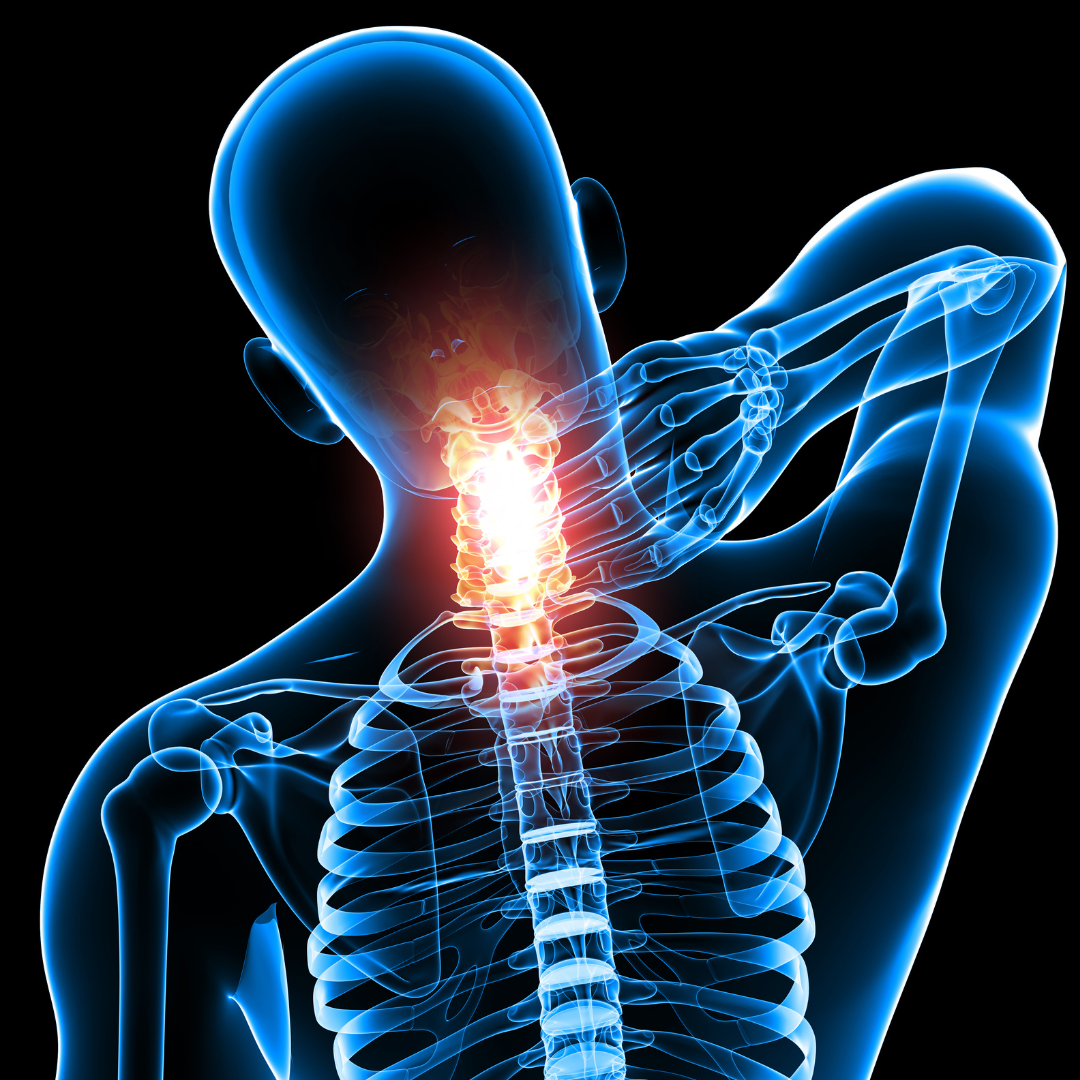
Cervical radiculopathy, often called a “pinched nerve,” happens when a nerve in the neck is irritated or squeezed. This can lead to pain, tingling, numbness, or weakness in the neck, shoulder, arm, or hand. The good news is that most people feel a lot better within 4 to 6 months with non-surgical treatment, and many keep feeling good for years (Kang et al., 2020). Still, getting the right diagnosis and a care plan from qualified health professionals is important for the best recovery. Read more…
Joon Choi
Poor sleep is often an issue that many of those with chronic pain experience. Pain can disrupt sleep, and in turn, this lack of sleep can heighten sensitivity to pain, resulting in a cycle that negatively impacts both physical and mental well-being. Improving sleep for those with chronic pain requires a multi-factorial approach that addresses both the physical and psychological factors that contribute to sleep difficulties. Read more…
Junze Chen
Every year, thousands of Australians face the aftermath of road accidents. Statistics reveal the harsh reality: 11% of injury hospitalizations and 10% of injury deaths stem from transport accidents (Health & Welfare, 2023). These incidents often lead to debilitating consequences, including disability, psychological distress, and chronic pain. Read more…
Charles Ruddock
Embarking on a rehabilitation program marks a crucial step towards regaining control of your life and well-being after an injury. However, success in rehabilitation goes beyond the physical aspects; it involves setting clear goals that align with your values and aspirations. Read more…
Matthew Richards
Chronic pain conditions are a significant cause of disability. Low back pain, for example, was one of the top 10 contributors to increasing health loss worldwide over the 30 years to 2019. Evidence-based interventions to enhance mobility and well-being are therefore important, and there is a significant bank of evidence that exercise is effective for pain and function in the treatment of chronic low back pain. Read more…
Campbell Hogan
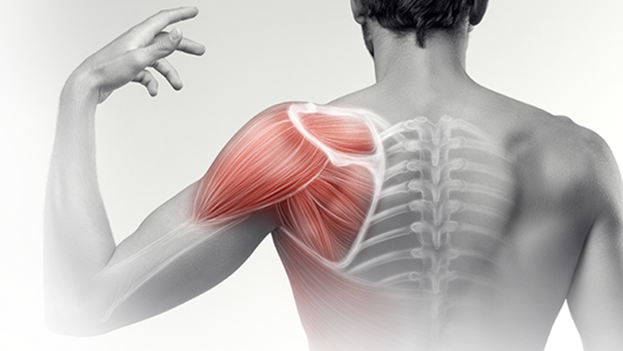
The shoulder is one of the most fascinating joints in the human body. The incredible capabilities of the shoulder require a complex stabilisation system comprising of bone, muscles, tendons, ligaments, and the shoulder joint capsule. When there is a disruption or imbalance in this system, shoulder instability can develop leading to pain and reduced shoulder function. Read more…
Adam Turnbull
The intricacies of the hip joint are particularly relevant for individuals dealing with hip dysplasia, a condition where the hip socket is insufficiently developed. In such cases, the anterior third of the acetabulum and the anterior labrum are often under increased strain. Read more…
Joon Choi
Pain is an inevitable part of the human experience, serving as a crucial signal that something might be wrong with our bodies. However, for some individuals with persistent pain, the perception of pain can go beyond the physical sensation, leading to a phenomenon known as pain catastrophising. Read more…
Mathew Foreman
Chronic low back pain is a leading cause of pain and disability. It is estimated that chronic low back pain affects up to 1 in 6 Australians at any given time and pain can often limit the ability to engage in daily activities, having a significant impact on quality of life. Read more…
Aidan Rich
Gluteal tendinopathy is a common musculoskeletal condition and is also known as greater trochanteric pain syndrome (GTPS), and sometimes referred to as ‘gluteal tendinitis’ or ‘bursitis’. It causes localised pain on the outside of the hip and can cause pain and disability with activities like walking (particularly upstairs or up hills) and sleeping. Read more…
Charles Ruddock
The festive season can be challenging for some, and we could all benefit from pacing ourselves at this time of year. It is fair to acknowledge that this time of the year can be happy and exciting for some, while stressful and anxious for others – or even both simultaneously! Read more…
Jon Ford
As the founder of Advance Healthcare, I have seen 100s of patients who reported having been told that their pain is “coming from their head”. When patients have this perception they often feel upset, invalidated and dismissed. Read more…
Joon Choi
Life is full of experiences – both positive and negative. We can have times of great joy and happiness but also at times pain and despair. Practicing self-compassion is a useful tool to manage the distress that can accompany negative experiences. Read more…
Goal setting is commonly used within rehabilitation programs to help guide treatment and support progress over time. In chronic pain management, it can help clinicians better understand what is meaningful to the individual and assist in developing rehabilitation plans that focus on improving participation in valued activities and life roles. Read more…